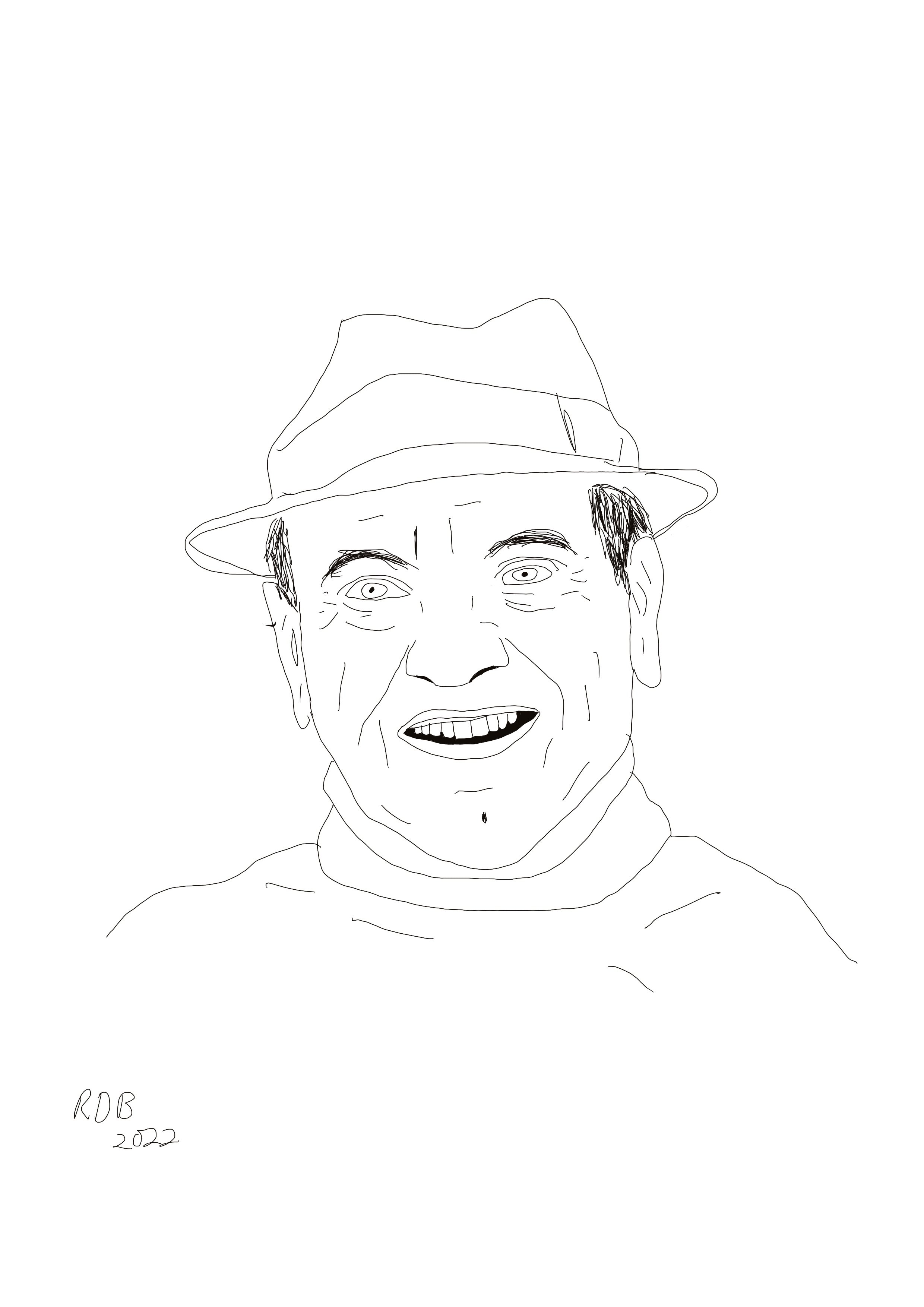
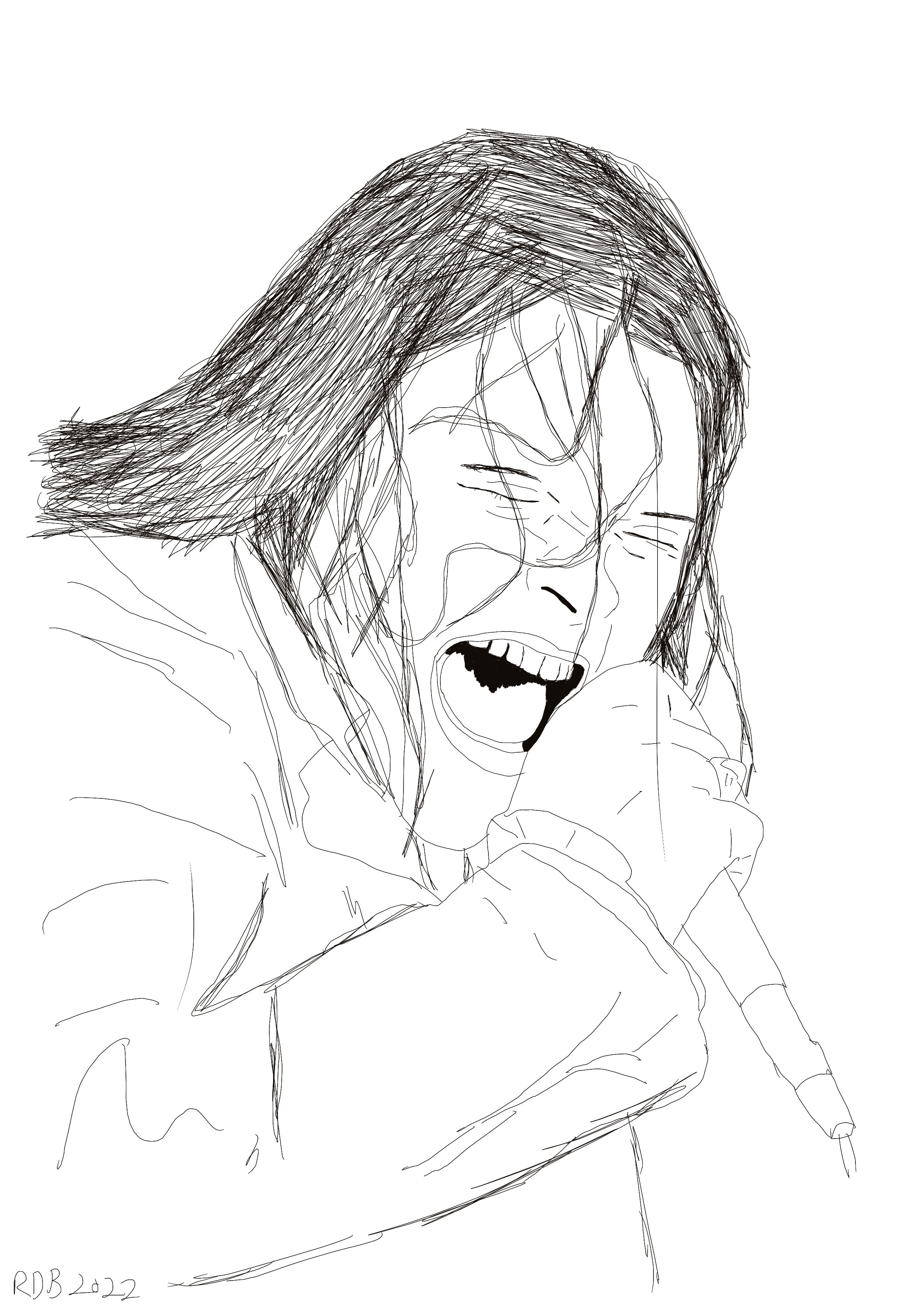
Orbison was always painfully shy while performing; he never talked to the audience. He never moved a muscle or danced during his performances, and he even barely opened his mouth to sing. Yet when he did sing, he revealed one of the best voices ever heard in rock and roll, a powerful tenor voice with an impressive three-octave range and a glass-shattering falsetto.
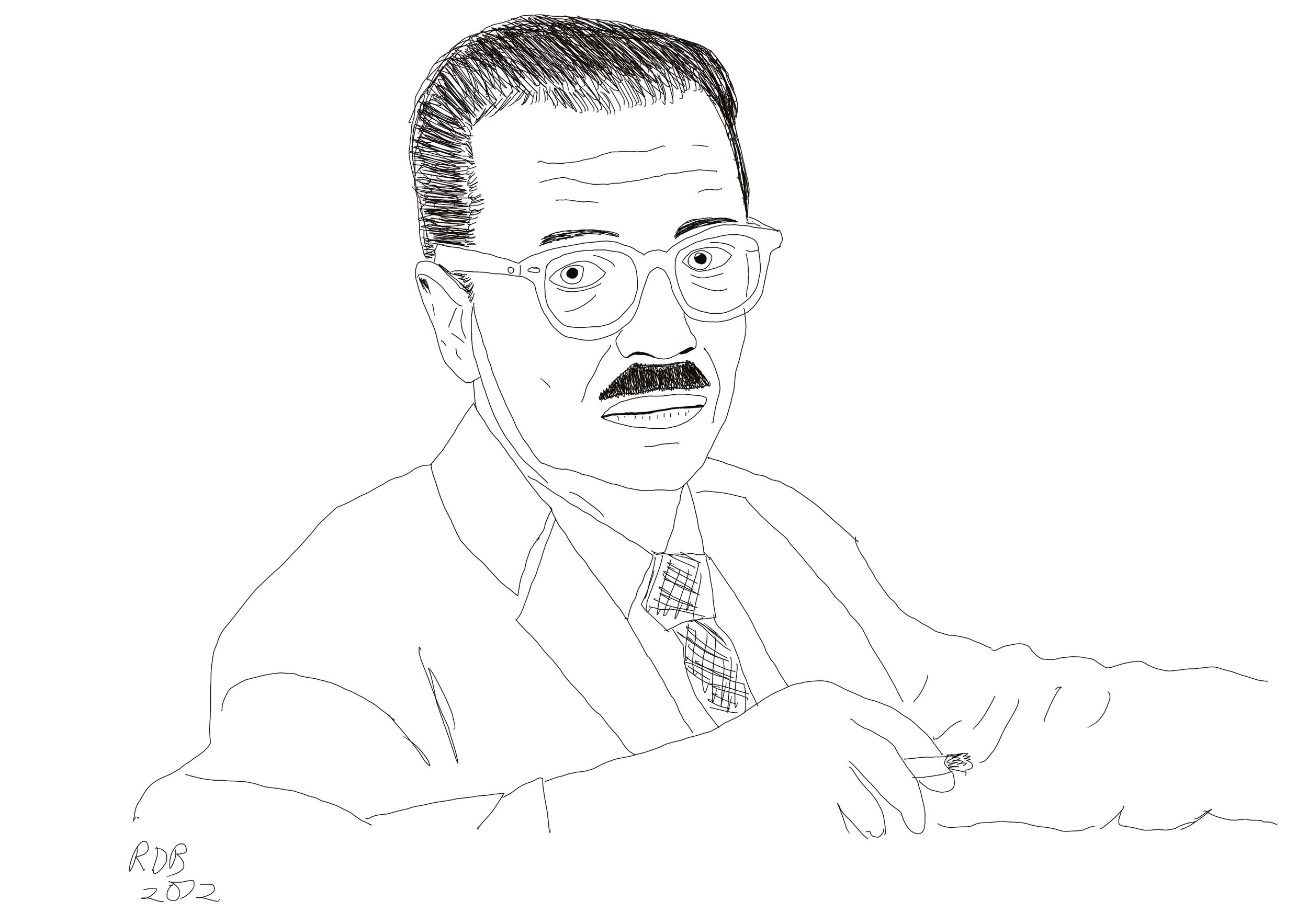
The incredible thing is that he never really looked after his voice; there are many videos of him smoking and drinking coca-cola in the recording studio. Smoking and caffeine were something I'm sure also didn't help him with his heart problems either.
Despite his incredible talent, Roy always suffered from terrible stage fright. While on tour with the Beatles in 1963, he forgot his regular glasses on the plane and was forced to wear his prescription tinted glasses on stage. He discovered he prefered them, so he developed a sunglass-wearing, dark and brooding stage image, which helped him hide and perform more comfortably.
Roy Orbison's songbook comprises the most extensive songs about heartbreak, loneliness, dark emotions, paranoia, regret, despair, dreams and nightmares. He was the first man to sing openly about his feelings and fears. Some of his most loved songs include heartbreaking epics like Only the lonely, Crying, In dreams and Running Scared. His song Pretty Woman is one of the most loved and recognised tunes ever written. He turned his love Lorne persona into the guy who gets the girl at the end, unleashing sexy, sensual energy, which wins over his pretty woman.
The origins of Orbison's music are firmly in his country music roots. Growing up listening to Hank Williams and other artists from the Grand Old Opry, the influence of the country genre is evident.
Orbison's career spanned five decades, starting as a professional performer in the 1950s and releasing 22 studio albums from the 1960s to the early 90s.
Despite tremendous heartbreak and tragedy in his life, he never really stopped writing music, recording records and touring.
Roy Orbison married his high school sweetheart Claudette Frady in 1957; they had three boys Anthony King, Roy Dewayne and Wesley.
Claudette was killed in a tragic motorcycle accident, leaving Roy alone to bring up his three boys.
While on tour in the UK in 1968, he received the news that his home in Hendersonville, Tennessee, had burned down and his two eldest sons had died.
Orbison later remarried a German teenager Barbara Jakobs in 1969 and had two more sons, Alex and Roy Jr. From his first wife, his youngest son, Wesley, was raised by Orbison's parents.
After these tragedies, Roy Orbison's career took a turn for the worst, as his style of music became deeply unpopular. After a terrible attempt at starting a film career in his corny Western The Fastest Guitar Alive, which was a bow office flop and an unsuccessful Hank Williams cover album, he became lost and directionless.
Orbison continued to record albums, despite the lack of any real major success. His fan base in the UK, Europe and Australia was very loyal, so he tirelessly toured and performed even in smaller venues. He still performed his now-classic favourites to the delight of audiences, and he never really lost his voice, which never abandoned him.
In 1977 he had major heart surgery, a triple bypass which was a significant operation to unblock severely obstructed arteries. He suffered from ulcers since 1960 and had been a heavy smoker since adolescence.
In the 80s, his music was rediscovered by a new generation of listeners, helped by other artists who covered his songs, and the use of his music in movies like Roadie, the Dukes of Hazzard and the feature film Blue Velvet.
One of the events that relaunched his career was his big comeback concert in 1988. Roy Orbison and friends: a black and white night included a wonderfully brilliant selection of Oribison's admirers and friends who came together in a one-off concert performance to celebrate the legendary Texan with the biggest voice and magical songwriting talent.
The concert lineup included: Elvis Costello, Bruce Springsteen, Tom Waits, T Bone Burnett, Jennifer Warnes, K.D Lang and Bonnie Raitt. It was an excellent star-studded concert with its performers, and there were many famous people in the audience.
Roy Orbison was also a great collaborator throughout his career, which kept his work evergreen and constantly renewed. He allowed his songs to be covered by new artists, and he also recorded with different artists. He recorded a now-historic album, Class of 55, with other American Rock and roll legends, including Carl Perkins, Jerry Lee Lewis, and Johnny Cash.
Orbison also recorded songs with the Bee Gees and, simultaneously with his last album, performed with other music greats Bob Dylan, Tom Petty, Jeff Lynne and George Harrison, who formed the now legendary super band the Travelling Wilburys.
His final album, Mystery Girl, was produced by ELO's frontman Jeff Lynne and included songs written by Lynne, Elvis Costello, Bono and Tom Petty.
Choosing my favourite songs from Roy Orbison's long catalogue isn't easy. I love most of them as each album reflected Orbison's experiments and particular style through the decades. No one can ignore the early rockabilly sounds of his 1950s classic Rock House. Or his big hits of the 60s at the height of his early fame, from Crying to in Dreams. I also enjoyed his mostly ignored 1970s experimental album Laminar Flow. Orbison prided himself on being a rebel, and he always followed whatever he wanted to explore or express, as most great artists do.
Orbison had a natural gift as a storyteller. Many of his songs reflect this ability to construct a narrative from pieces like Blue Bayou, Working for the man, Running scared, Leah, Uptown and the now politically incorrect Indian Wedding. There was real potential for Roy Orbison to write musicals. Who knows what his career would have taken him if only he had survived his final heart attack. He was only 52 when he died.